
Thermal and Electrical Hazard Prioritization and Residual Risk Mitigation
An electro medical device manufacturer producing a high frequency electrosurgical generator and radiofrequency tissue ablation workstation.
Run on Tatvam · Design Risk & DFMEA
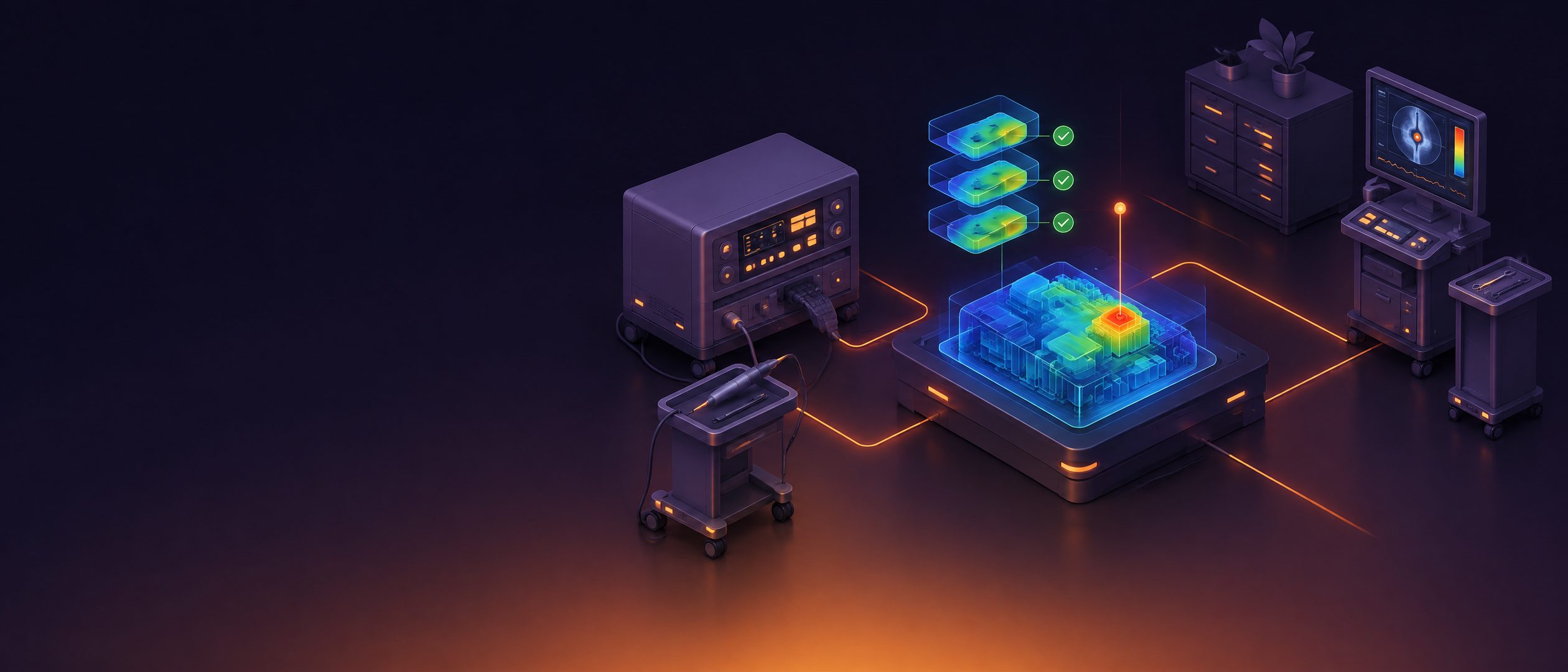
The device delivered high energy RF currents, creating severe thermal injury, capacitive coupling, and electromagnetic interference (EMI) hazards.
Energy Hazard and Biophysical Modeling → Pre Mitigation vs Post Mitigation Risk Tracking → Objective ALARP Evaluation Dashboard → Clinical Benefit vs Risk Ratio Analysis
Residual risk evaluation and design freeze sign off accelerated from 6 weeks to 4 business days.
The challenge
The device delivered high energy RF currents, creating severe thermal injury, capacitive coupling, and electromagnetic interference (EMI) hazards.
Engineers struggled to quantify whether combined risk mitigations reduced the residual patient risk to an acceptable level per ALARP (As Low As Reasonably Practicable) criteria.
Subjective risk scoring in spreadsheets led to prolonged debates between R&D; engineers and Quality Assurance directors, stalling design freezes.
How our team solved it, with Tatvam
- 01
Energy Hazard and Biophysical Modeling
Tatvam categorizes thermal, electrical, radiation, and biological hazards into structured hazard tree hierarchies.
- 02
Pre Mitigation vs Post Mitigation Risk Tracking
Tracks initial risk scores alongside residual risk ratings after applying hardware safety interlocks and software watchdogs.
- 03
Objective ALARP Evaluation Dashboard
Provides clear visual risk matrices displaying pre mitigation and post mitigation hazard distributions objectively.
- 04
Clinical Benefit vs Risk Ratio Analysis
Synthesizes clinical trial evidence and hazard probability models to generate defensible Benefit Risk Analysis (BRA) documentation.
- 05
Quality Assurance Approval Workflows
Enforces mandatory cryptographic sign offs from Lead System Architects and Quality Directors before residual risks are accepted.
The outcome
- The device delivered high energy RF currents, creating severe thermal injury, capacitive coupling, and electromagnetic interference (EMI) hazards.
- Engineers struggled to quantify whether combined risk mitigations reduced the residual patient risk to an acceptable level per ALARP (As Low As Reasonably Practicable) criteria.
- Subjective risk scoring in spreadsheets led to prolonged debates between R&D; engineers and Quality Assurance directors, stalling design freezes.
- Residual risk evaluation and design freeze sign off accelerated from 6 weeks to 4 business days.
- 100% of high severity thermal and electrical hazards mitigated to verified acceptable ALARP levels.
- Zero design modifications required during external IEC 60601 1 medical electrical safety testing.
Delivered for a client; the client name is withheld under NDA. References are available on request.
Capabilities used
Every accelerator is assembled from the same capability layer, so a workflow you adopt here shares its foundation with the rest of the portfolio.
Run on Tatvam
Watch Tatvam run, end to end, in a few minutes.
The whole failure-mode workflow in one control room, auditable end to end.
See the Tatvam acceleratorMore from Tatvam
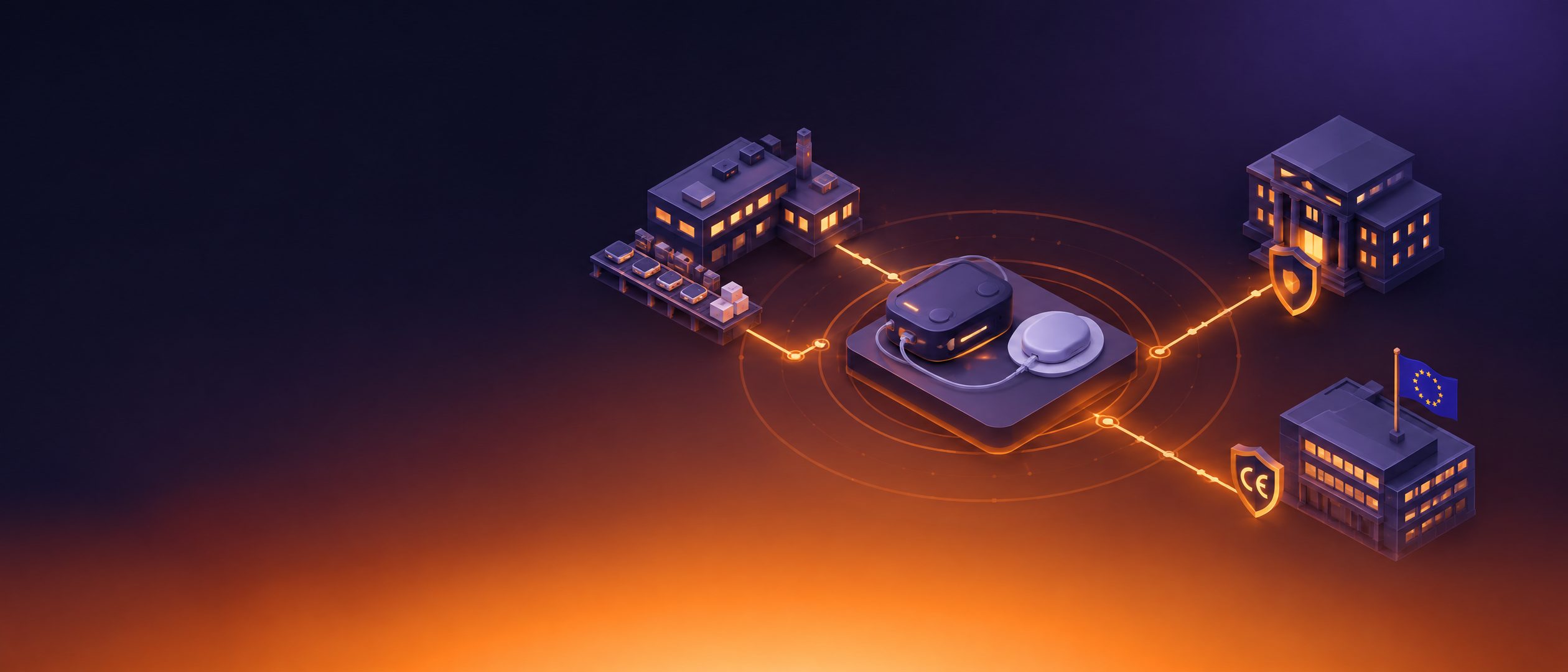
Medical Device Design Risk Analysis and ISO 14971 Compliance
A medical device company developing an automated wearable insulin infusion pump and continuous glucose monitoring (CGM) system seeking FDA 510(k) clearance and CE mark certification.
Read the use case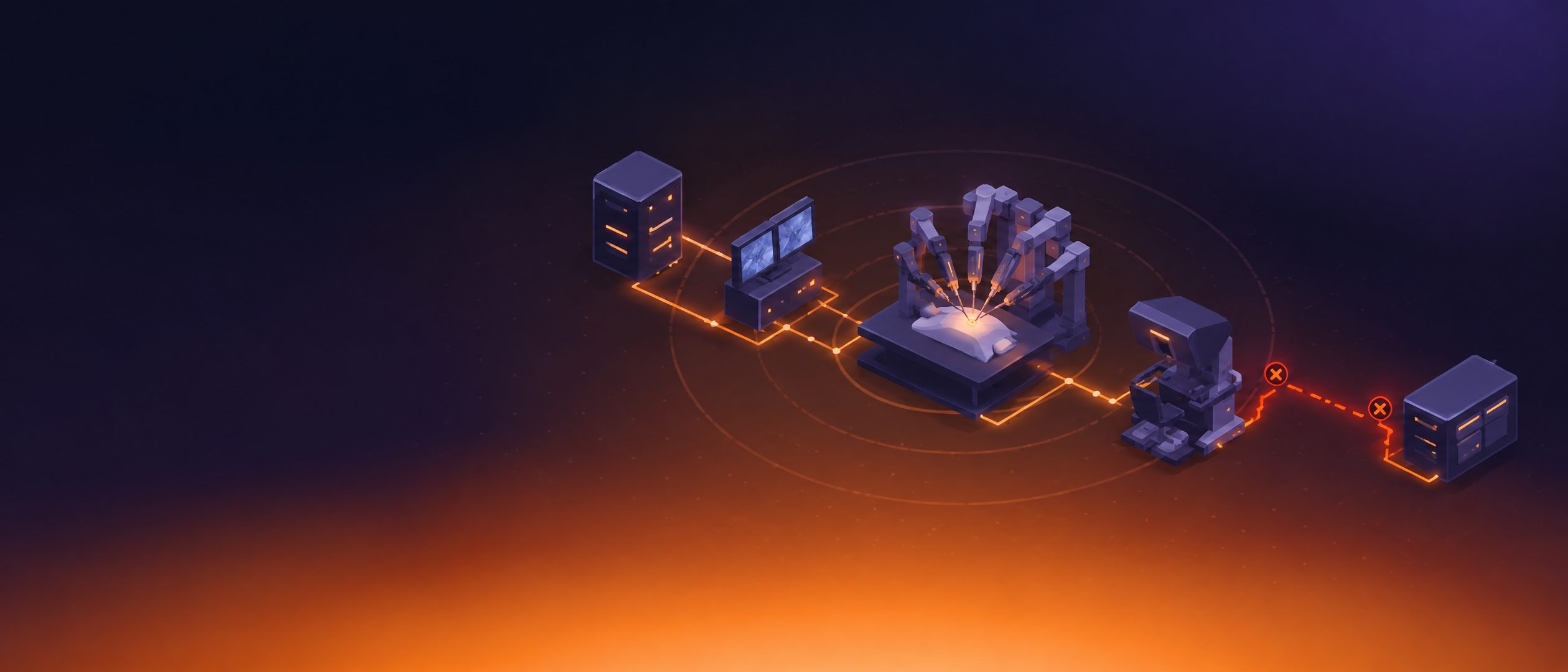
AI Assisted Failure Mode Discovery and Prevention Across Subsystems
A precision surgical robotics manufacturer developing a multi arm laparoscopic robotic surgery console with haptic feedback and stereoscopic visualization.
Read the use case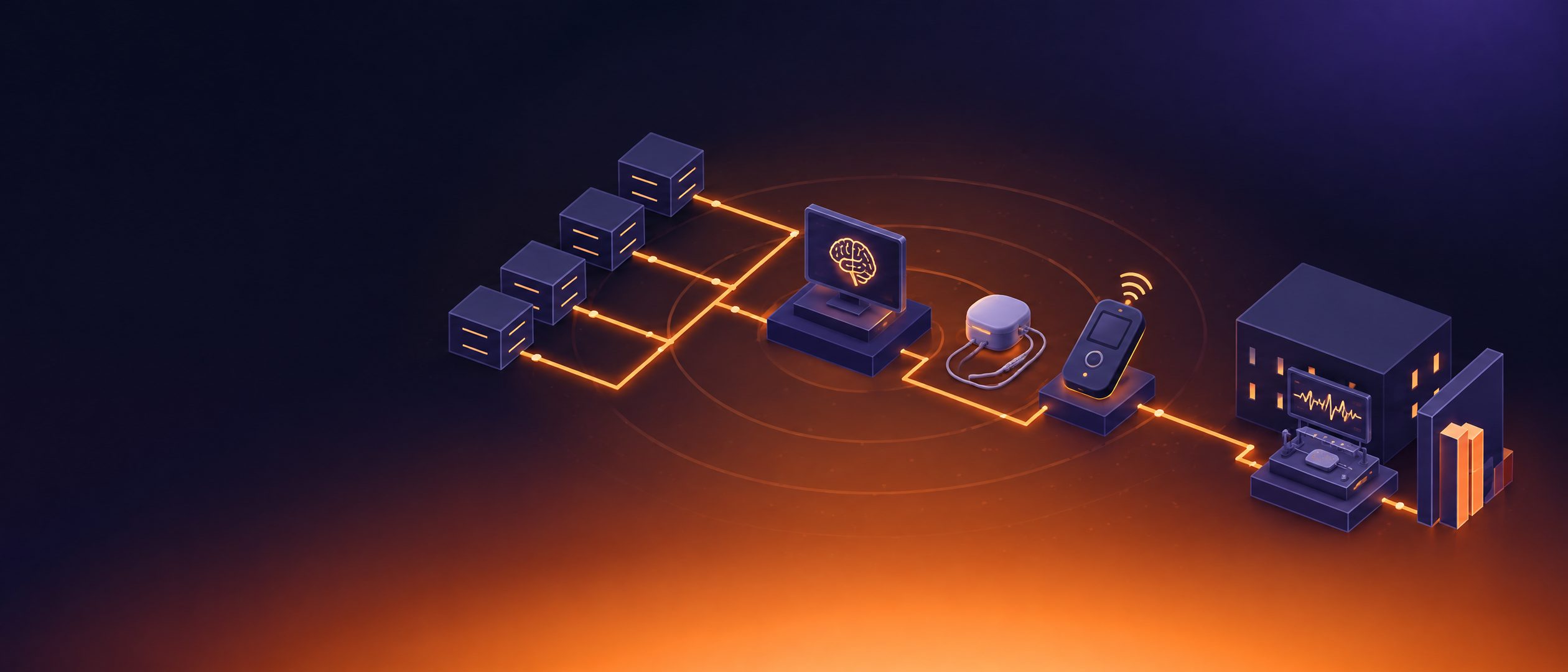
End to End Requirements to Design Verification Test Traceability
A neurotechnology enterprise developing an implantable neurostimulator and wireless patient controller for chronic pain management.
Read the use caseBring us the version of this that you actually have.
Every engagement is fixed in scope and milestone-gated. The scoping conversation starts with your systems, not with a template.