
Shift-Left API Logic and Business Rules Verification in Microservice Architecture
A fast-growing SaaS enterprise operating 40+ microservices communicating via REST and GraphQL APIs.
Run on Parikshan · Software Testing
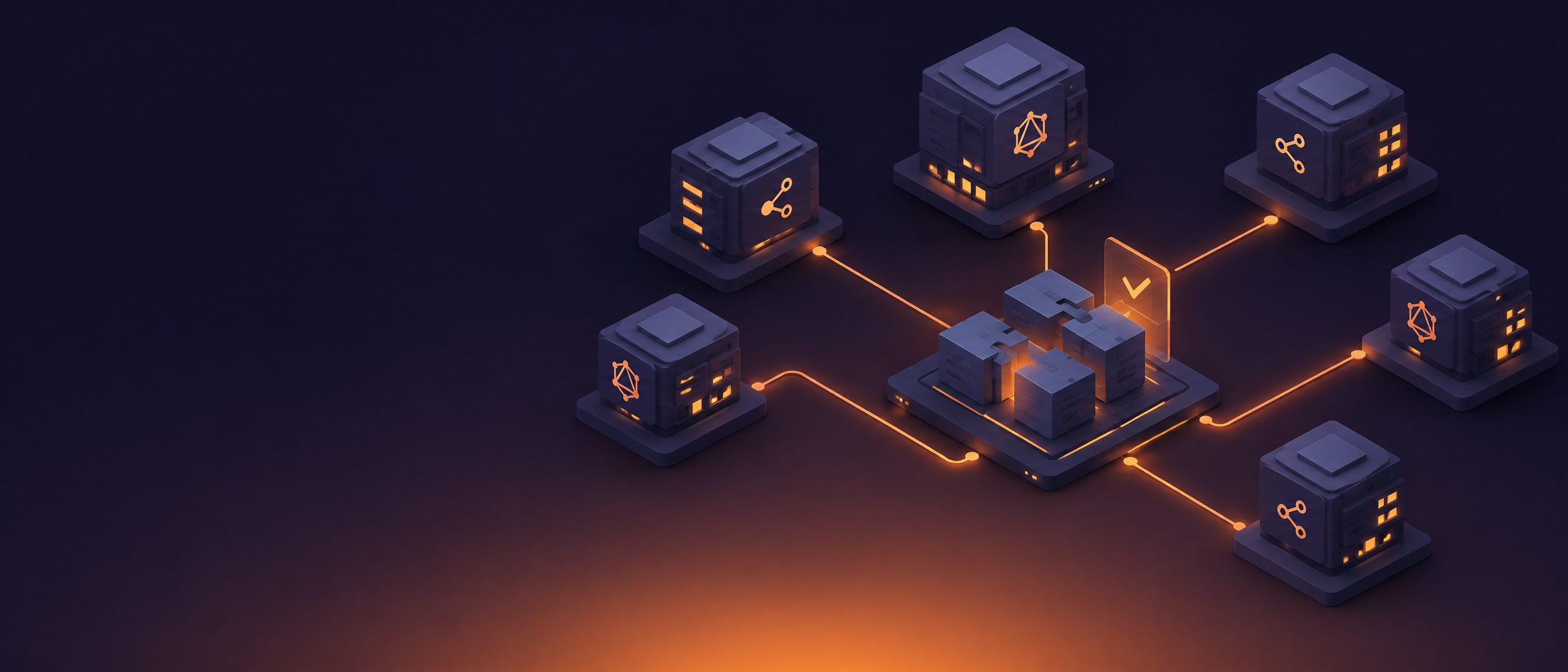
Testing microservice business logic relied on slow end-to-end UI automation tests that broke frequently.
API Spec Ingestion → Multi-Step API Chaining → Fuzzing and Contract Testing → Pull Request Validation
Integration defects caught 5x earlier during local PR builds rather than staging.
The challenge
Testing microservice business logic relied on slow end-to-end UI automation tests that broke frequently.
Integration defects between microservices were caught late in staging environments, causing expensive sprint delays.
Developers lacked automated tools to generate complex multi-step API test sequences.
How our team solved it, with Parikshan
- 01
API Spec Ingestion
Parikshan parses OpenAPI and Swagger documentation to infer data models, parameters, and authentication rules.
- 02
Multi-Step API Chaining
Parikshan builds stateful API test workflows, such as creating an account, authorizing a token, processing an order, and reconciling inventory.
- 03
Fuzzing and Contract Testing
Payload fuzzing and contract verification catch breaking API changes early.
- 04
Pull Request Validation
Targeted API test suites run on developer pull requests in under 2 minutes.
- 05
Mock Server Generation
Mock servers stand in for dependency services that are not finished yet.
- 06
Service Owner Approval
Each service owner reviews flagged contract changes and approves or rejects the pull request.
The outcome
- Testing microservice business logic relied on slow end-to-end UI automation tests that broke frequently.
- Integration defects between microservices were caught late in staging environments, causing expensive sprint delays.
- Developers lacked automated tools to generate complex multi-step API test sequences.
- Integration defects caught 5x earlier during local PR builds rather than staging.
- API test execution time cut from 45 minutes to 90 seconds per build gate.
- Eliminated breaking API contract changes across all 40 microservices.
Delivered for a client; the client name is withheld under NDA. References are available on request.
Capabilities used
Every accelerator is assembled from the same capability layer, so a workflow you adopt here shares its foundation with the rest of the portfolio.
Run on Parikshan
Watch Parikshan run, end to end, in a few minutes.
AI across the software testing lifecycle, from authoring to release.
See the Parikshan acceleratorMore from Parikshan
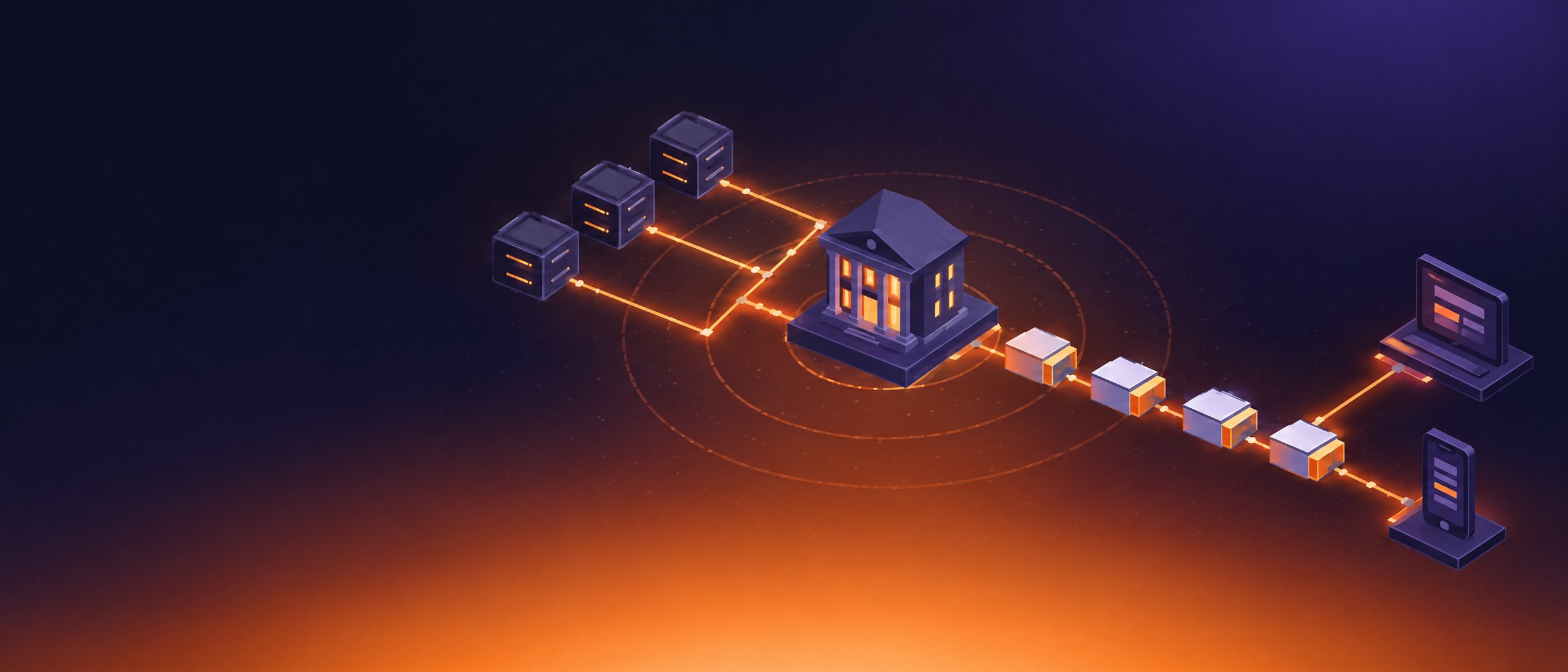
Autonomous End-to-End Regression Test Authoring for Core Banking Applications
A commercial retail bank updating its core banking web portal and mobile banking applications across bi-weekly release cycles.
Read the use case
AI-Driven Visual Regression and Cross-Browser Testing for E-Commerce
A global fashion e-commerce brand operating web stores across 25 localized domains and 6 major browser engines.
Read the use case
Self-Healing Test Scripts and Flaky Test Elimination in Enterprise CI/CD
A logistics SaaS firm managing a large suite of 3,000+ UI automation test scripts running in continuous deployment pipelines.
Read the use caseBring us the version of this that you actually have.
Every engagement is fixed in scope and milestone-gated. The scoping conversation starts with your systems, not with a template.