
Dynamic Wind Turbine Yaw and Pitch Optimization for Annual Energy Production
An IPP renewable energy operator managing a 450MW offshore wind farm featuring 60 high-capacity wind turbines operating under complex turbulent wind wake conditions.
Run on Santulan · Energy Optimization
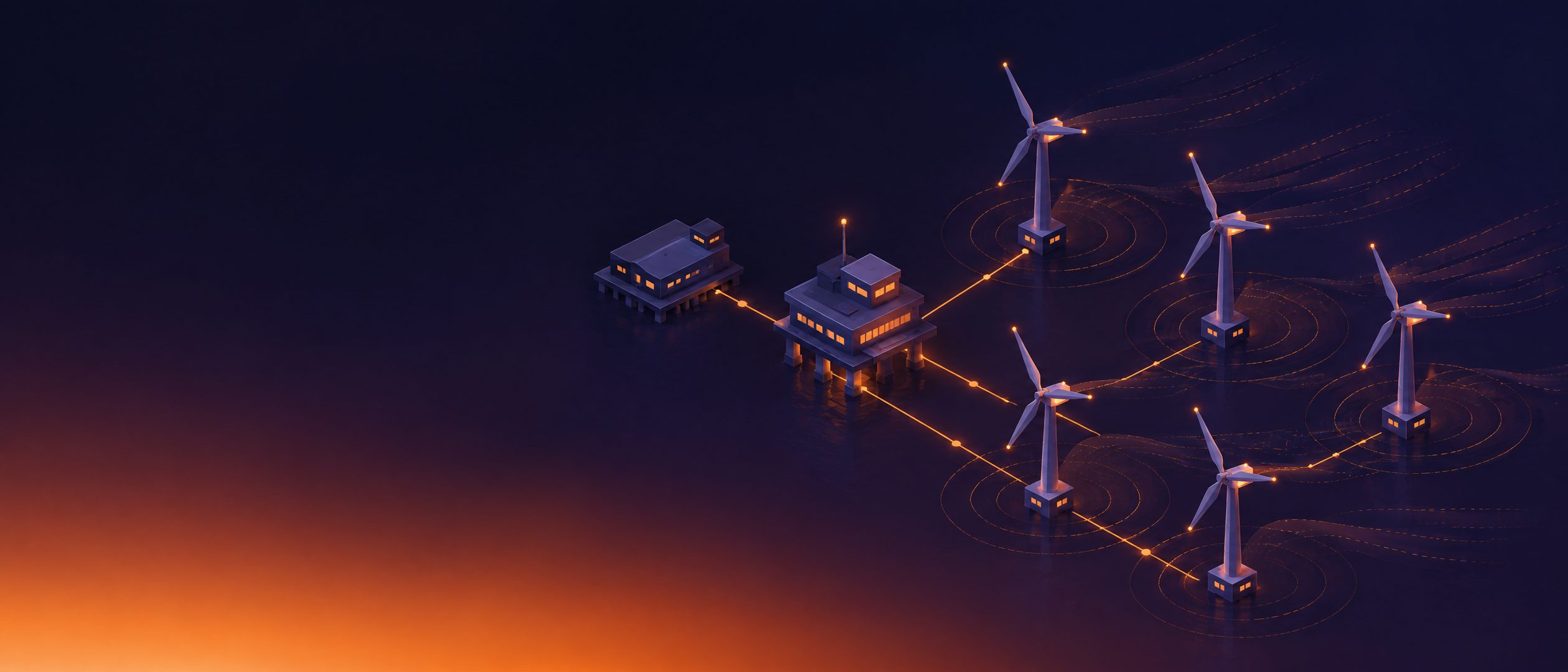
Upwind turbines created turbulent wake vortices that reduced wind speed and energy yield for downstream turbines by up to 12%.
Wake and Wind Analytics → Cooperative Farm Controller → Energy Yield Maximization → Fatigue Stress Mitigation
3.4% increase in net Annual Energy Production (AEP), generating $1.8M in additional annual electricity revenue.
The challenge
Upwind turbines created turbulent wake vortices that reduced wind speed and energy yield for downstream turbines by up to 12%.
Static factory yaw and pitch control curves failed to adapt to real-time micro-turbulent wind direction shifts.
Aerodynamic fatigue stress on turbine blades accelerated mechanical gearbox wear, driving up offshore maintenance costs.
How our team solved it, with Santulan
- 01
Wake and Wind Analytics
Santulan models farm-wide wake interactions using real-time SCADA and LiDAR wind vector telemetry.
- 02
Cooperative Farm Controller
Santulan calculates cooperative yaw offset and blade pitch commands across all 60 turbines at once.
- 03
Energy Yield Maximization
Upstream wakes are steered away from downstream turbines to raise farm-level annual energy production (AEP).
- 04
Fatigue Stress Mitigation
Blade load sensors are monitored and pitch is adjusted to cap peak mechanical stress during storm gusts.
- 05
Offshore SCADA Integration
Santulan connects to Siemens Gamesa and Vestas SCADA control loops over secure industrial protocols.
- 06
Control Room Approval
The wind farm control room lead reviews and approves each new set of yaw and pitch strategies before they go live on the turbines.
The outcome
- Upwind turbines created turbulent wake vortices that reduced wind speed and energy yield for downstream turbines by up to 12%.
- Static factory yaw and pitch control curves failed to adapt to real-time micro-turbulent wind direction shifts.
- Aerodynamic fatigue stress on turbine blades accelerated mechanical gearbox wear, driving up offshore maintenance costs.
- 3.4% increase in net Annual Energy Production (AEP), generating $1.8M in additional annual electricity revenue.
- 15% reduction in mechanical gearbox and blade fatigue stress, extending offshore maintenance intervals.
- Zero downtime recorded during extreme wind direction shifts.
Delivered for a client; the client name is withheld under NDA. References are available on request.
Capabilities used
Every accelerator is assembled from the same capability layer, so a workflow you adopt here shares its foundation with the rest of the portfolio.
Run on Santulan
Watch Santulan run, end to end, in a few minutes.
Renewable-energy asset optimization and monitoring.
See the Santulan acceleratorMore from Santulan

Battery Energy Storage System (BESS) Degradation and Arbitrage Optimization
A clean energy asset manager operating a 100MW / 400MWh grid-scale lithium-ion Battery Energy Storage System (BESS) co-located with a solar PV farm.
Read the use case
Predictive Solar Inverter Thermal Degradation and Maintenance Dispatch
A utility-scale solar asset owner operating 800MW of solar PV plants across arid desert regions containing over 300 central and string inverters.
Read the use case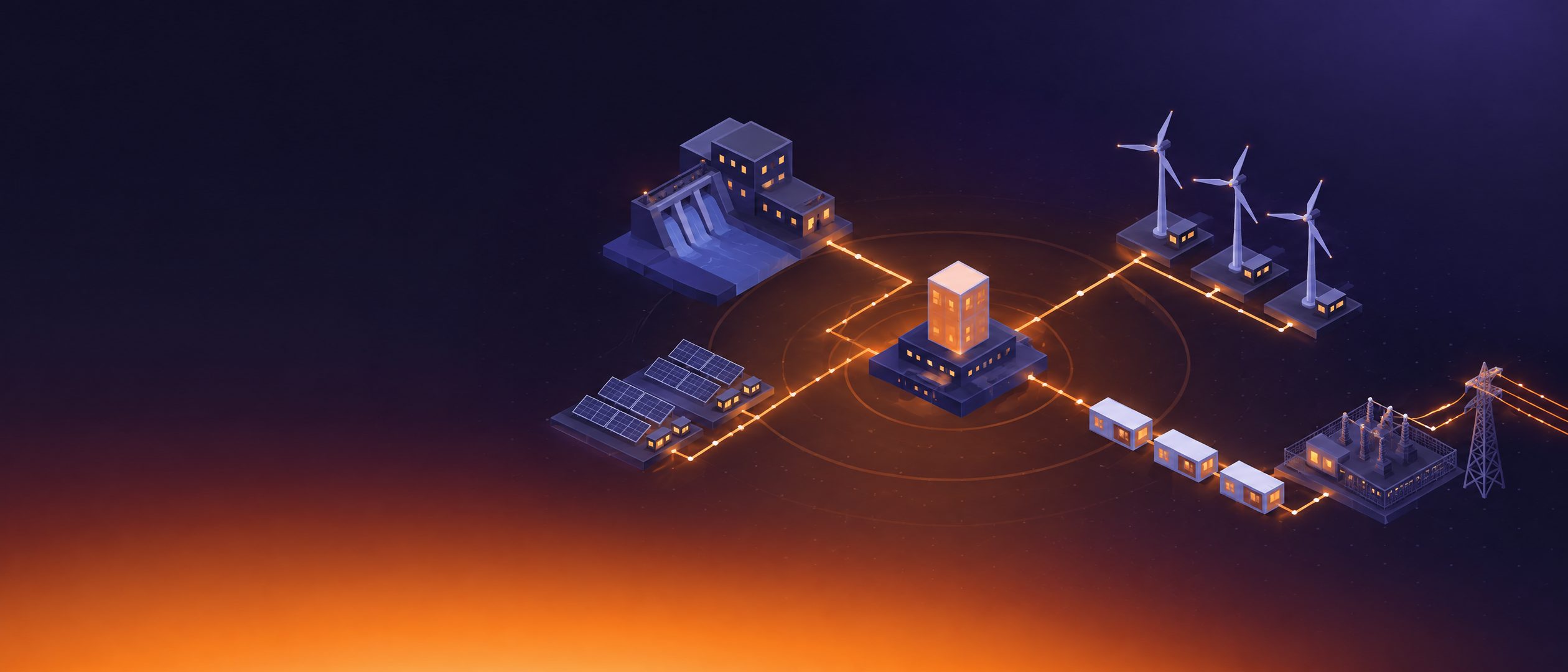
Grid Interconnection Frequency Response and Automated Ancillary Bidding
A renewable energy producer managing a portfolio of hydro, solar, and wind assets participating in regional grid operator ancillary services markets.
Read the use caseBring us the version of this that you actually have.
Every engagement is fixed in scope and milestone-gated. The scoping conversation starts with your systems, not with a template.