
Collapsing Alert Storms into the Incidents That Are Actually Happening
An enterprise operations centre receives tens of thousands of monitoring alerts a week across infrastructure, applications, and network.
Run on Sutradhar · Agentic IT Operations
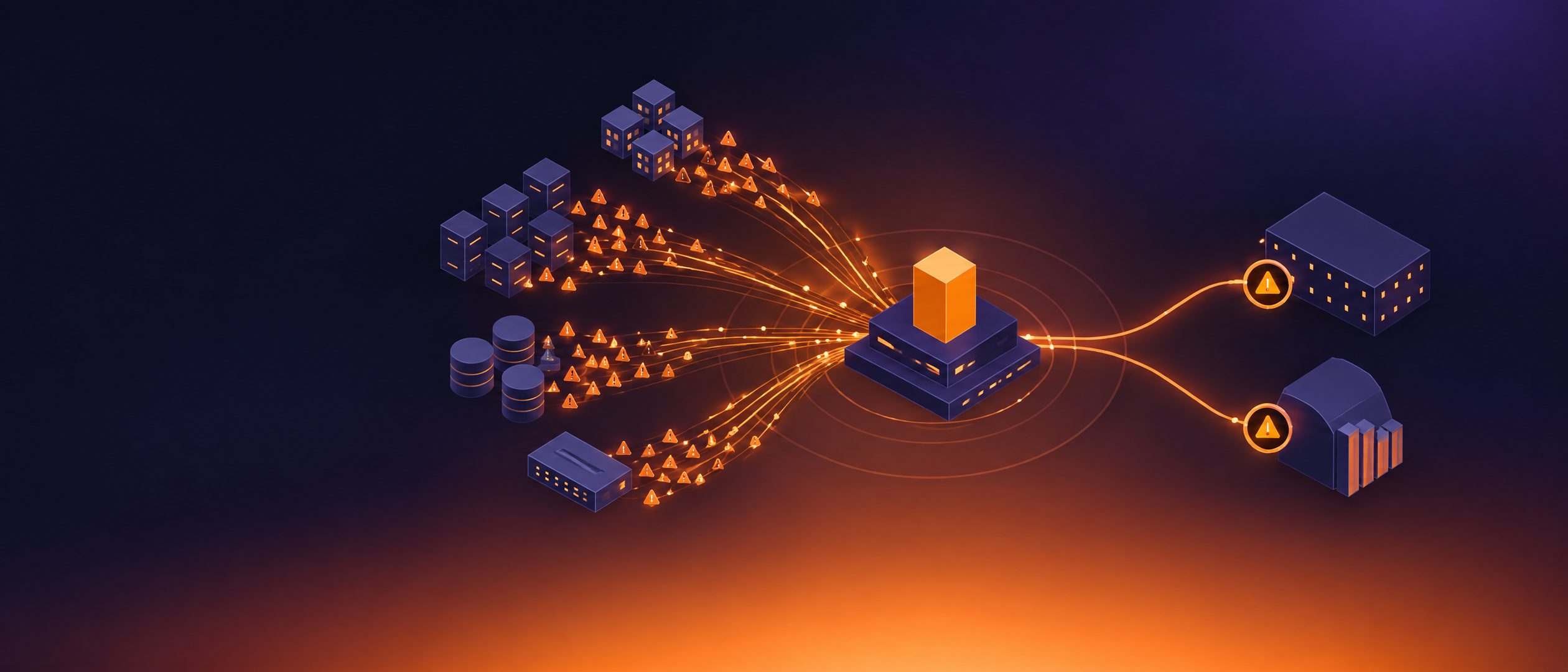
A single failing dependency generates hundreds of downstream alerts, burying the originating fault.
Signal Correlation → Dependency-Aware Grouping → Noise Suppression → Incident Formation
Alert volume collapsed into the small set of incidents genuinely occurring.
The challenge
A single failing dependency generates hundreds of downstream alerts, burying the originating fault.
On-call engineers triage by volume, so genuine incidents wait behind noise.
Alert fatigue means real alerts are increasingly ignored.
How our team solved it, with Sutradhar
- 01
Signal Correlation
Sutradhar correlates alerts across services, hosts, and time so related symptoms collapse into one candidate incident.
- 02
Dependency-Aware Grouping
The service dependency graph is used to distinguish an originating fault from its downstream consequences.
- 03
Noise Suppression
Known-benign and self-resolving patterns are suppressed before they reach a human.
- 04
Incident Formation
Surviving correlated groups are promoted to incidents with the originating signal identified.
- 05
Routing
Each incident is routed to the team that owns the originating service rather than the one that noticed it.
- 06
On-Call Confirmation
The on-call engineer for the owning service confirms or dismisses each incident and decides the response.
The outcome
- A single failing dependency generates hundreds of downstream alerts, burying the originating fault.
- On-call engineers triage by volume, so genuine incidents wait behind noise.
- Alert fatigue means real alerts are increasingly ignored.
- Alert volume collapsed into the small set of incidents genuinely occurring.
- Originating faults distinguished from their downstream consequences.
- On-call attention spent on incidents rather than on triage.
Delivered for a client; the client name is withheld under NDA. References are available on request.
Capabilities used
Every accelerator is assembled from the same capability layer, so a workflow you adopt here shares its foundation with the rest of the portfolio.
Run on Sutradhar
Watch Sutradhar run, end to end, in a few minutes.
Agents that cut the alert noise, find the cause, and fix what is safe to fix.
See the Sutradhar acceleratorMore from Sutradhar
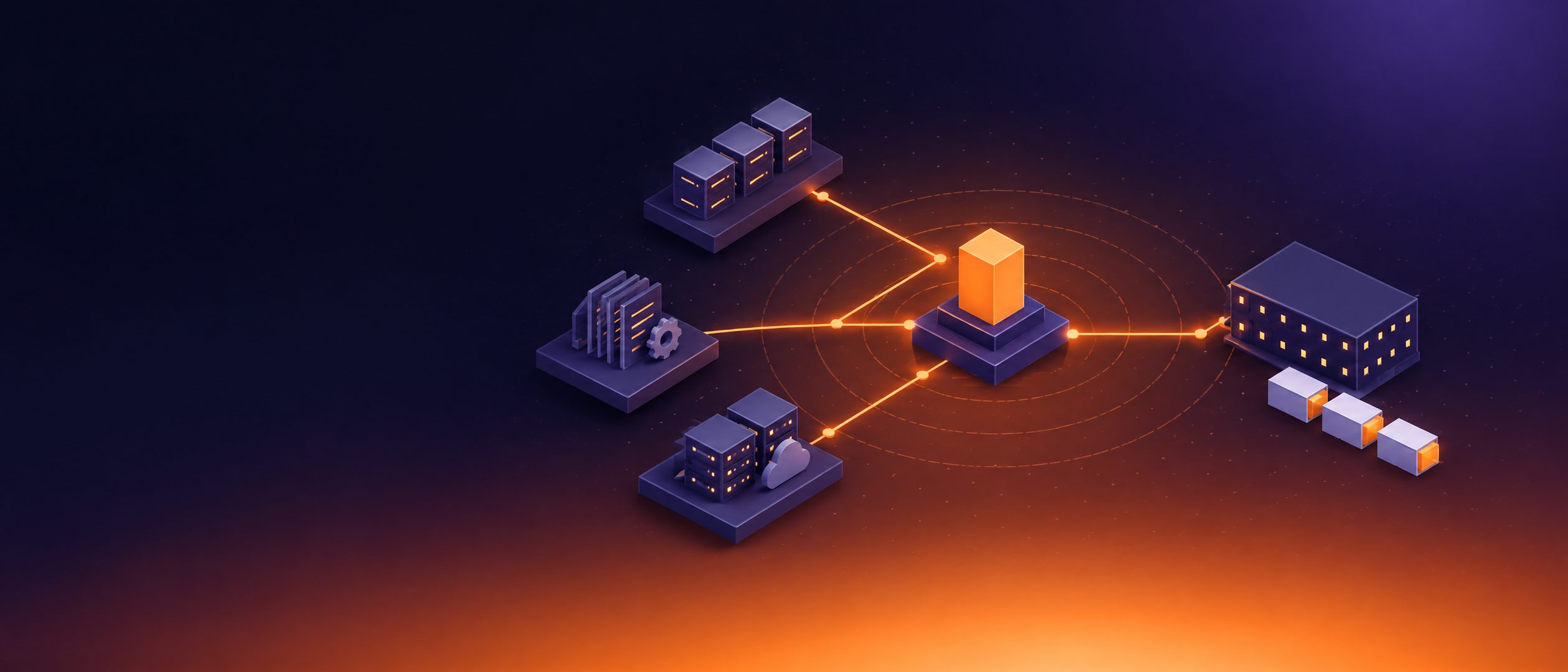
Diagnosing Root Cause Across Services, Infrastructure, and Recent Change
A platform team's mean time to diagnosis is dominated by the search for what changed, across deployments, configuration, and infrastructure.
Read the use case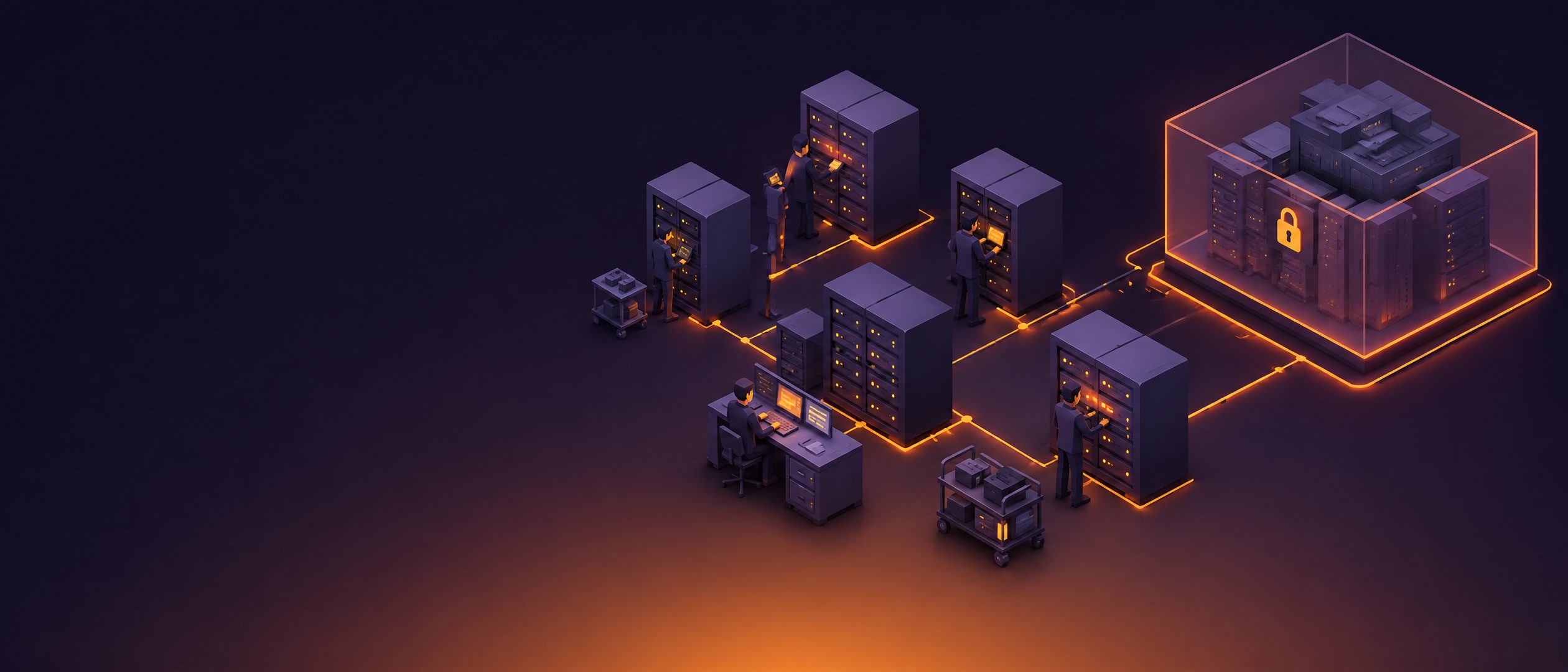
Executing Safe Remediations While Escalating Anything with Blast Radius
An operations team performs the same routine remediations weekly - restarts, cache clears, capacity adjustments - by hand, at all hours.
Read the use case
Reporting Operational Health to Leadership Without a Manual Pack
An IT leadership team receives a monthly operations pack assembled by hand from six systems, arriving three weeks after the period it describes.
Read the use caseBring us the version of this that you actually have.
Every engagement is fixed in scope and milestone-gated. The scoping conversation starts with your systems, not with a template.